Every director watches their own walkthrough video differently from the way a parent does. The director sees the new outdoor space and the fresh paint. The parent, without quite knowing it, is tracking something else: could I hand my child over here and drive away without my stomach knotting? The walkthrough that wins is built for the second viewer.
That changes what belongs on screen, and in what order.
Follow the parent's path, not the highlight reel
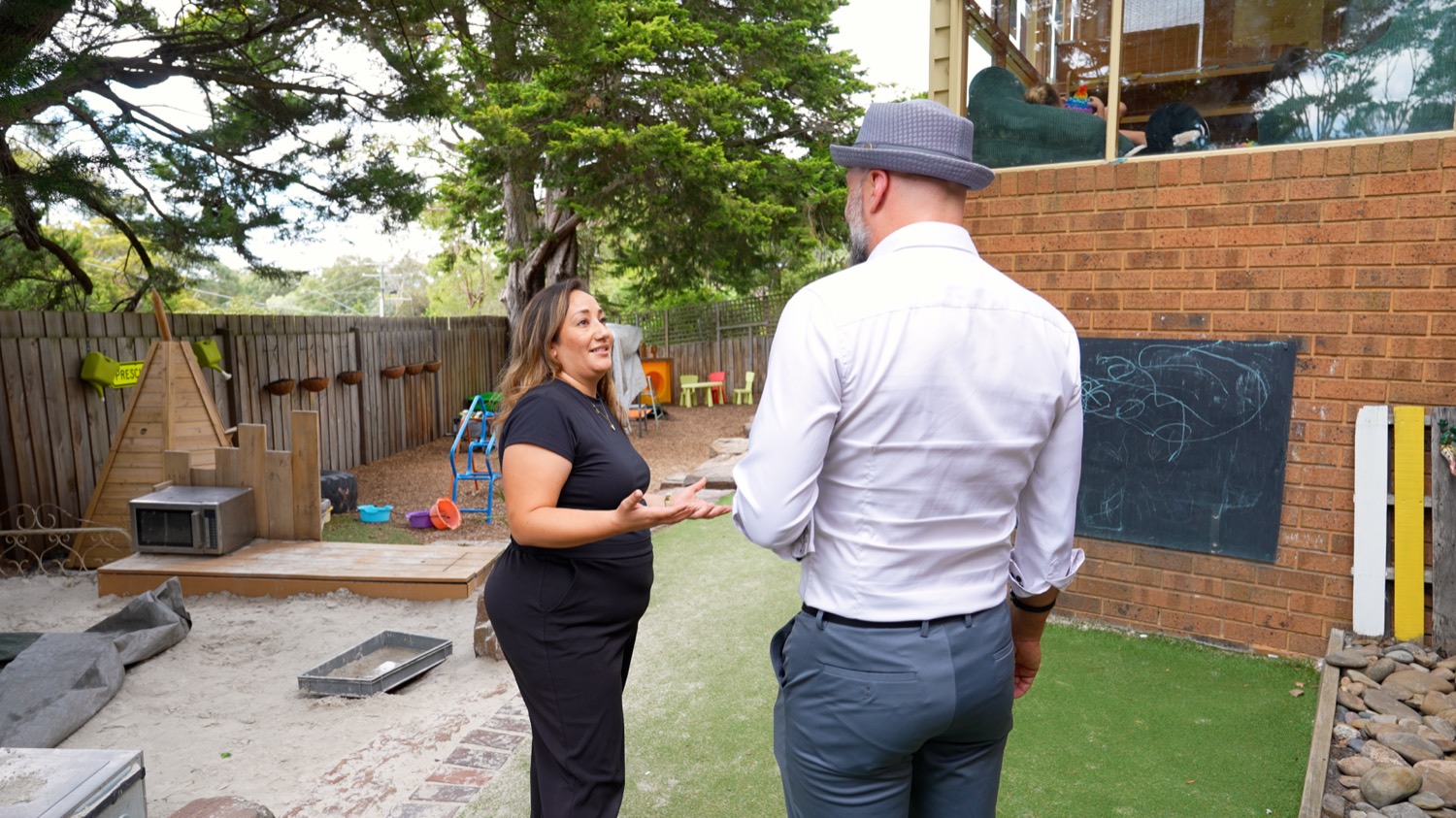
The most common walkthrough mistake is structural: a montage of the prettiest angles, cut to music. It looks like an ad, and parents process it as one, which is to say they discount it. The structure that works is almost boringly literal: the path a family takes on a real visit. Arrive at the entry. See how the door works, who lets you in, where you sign. Move through the corridor a parent would walk. Enter the room their child would live in. Out to the garden. Done.
This works because it matches the rehearsal running in the parent's head, and because the mundane sequence quietly answers the security questions no montage can: what stands between the street and the children, whether rooms can be seen into, how spaces connect. You never say the word "security". The camera answers it by walking.
The five things the camera must find
The entry working. Not a still of the front door: the buzz, the sign-in, the barrier between public and children. This single shot answers the question parents ask most and admit least.
Sight lines. Frames that show educators can see across a room, that bathrooms and sleep spaces relate sensibly to the main room. Parents can't articulate why these shots reassure them. They don't need to.
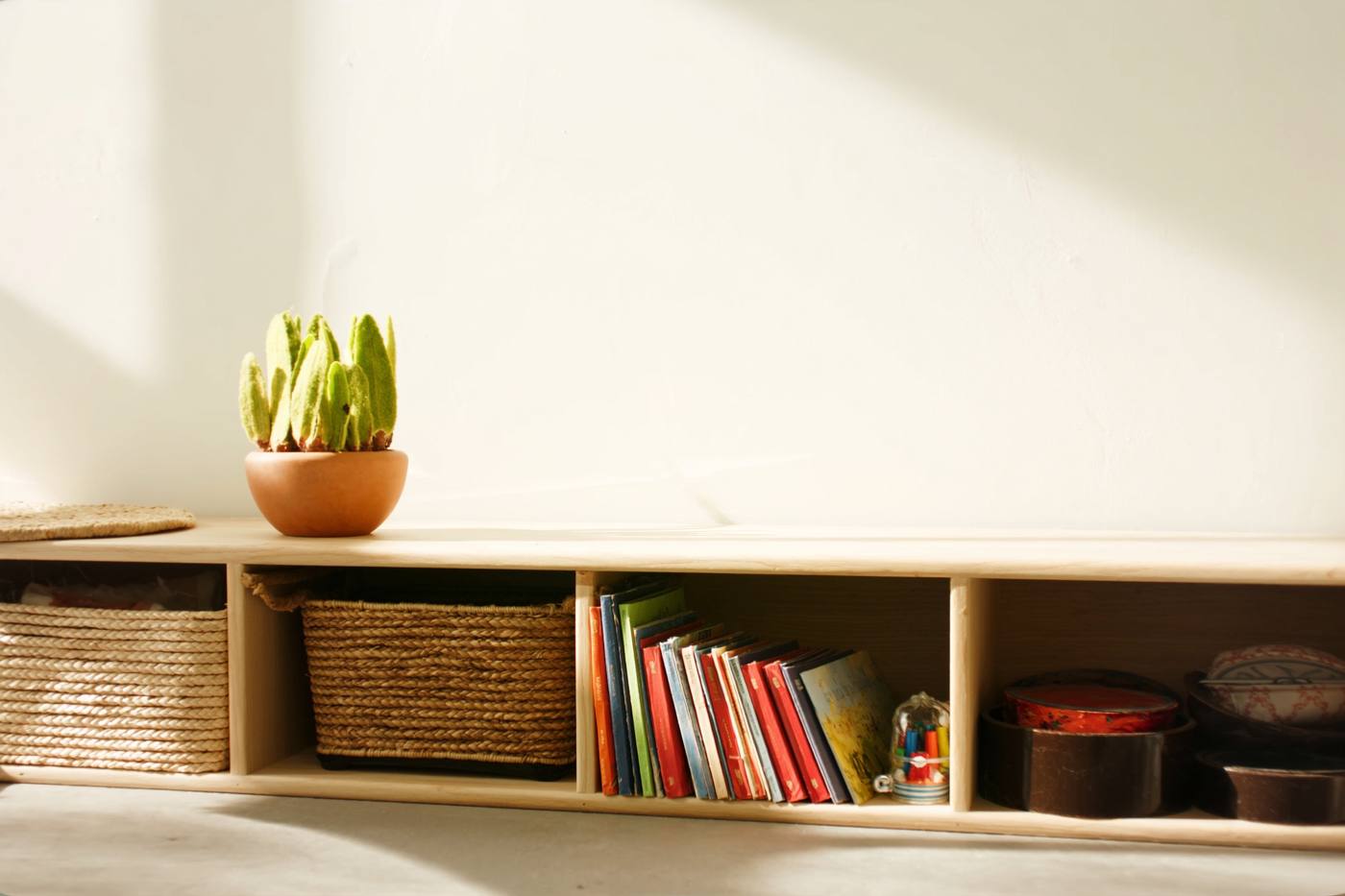
True textures. The slightly worn reading corner, artwork at child height, boots by the door. Signs of real use are signs of real children being comfortable, and they're what separates your centre from a furniture catalogue.
A human voice. The strongest walkthroughs are narrated by the director or an educator walking the path, talking the way they'd talk on a tour. A voice makes it a visit; music alone makes it content.
Light and calm. Not manufactured serenity, just enough care in the filming that the space reads the way it feels on a good morning. This is where professional craft earns its fee: the same rooms, badly lit and hand-held, feel institutional.
What quietly kills trust
Over-staging is the big one. Parents have developed sharp instincts for arranged reality: the suspiciously immaculate craft table, children placed like set dressing, the room that contains no evidence anyone uses it. Each staged frame teaches the viewer that the video is a performance, and performances get discounted. The paradox of walkthrough production is that it takes skill to film a space so it looks the way it honestly is.
The other killers: filming only the best room and implying it's all of them, discovered on tour every time; skipping the entry because it's not photogenic, which deletes your security answer; and borrowed stock footage spliced in, which some centres genuinely do and which is indefensible the moment a parent notices.
The child-free question
A walkthrough needs no children in frame to do its work, and there's a strong case for filming it that way: zero consent complexity, no staging temptation, and the "empty stage" lets parents project their own child into the space, which is precisely the rehearsal you want them running. If you do film in session, every visible child needs current consent and the shoot needs the full discipline described in our filming guide. Both versions convert; choose based on your consent position, not on a fear that empty rooms look sad. Filmed well, they look like an invitation.
Where it goes to work
Homepage, prominently, because it's the highest-intent content you own. Your Google Business Profile, where it does its work on families comparing you against the centre up the road. And the enquiry follow-up email, where "here's a walk through the room we discussed" is the most natural message a director can send.
A walkthrough is EEVA's most-requested film, and the one where our early-education-only focus shows most: our crews already know what parents look for and what your consent position requires. See examples on our work page, or start with the free marketing review and we'll tell you whether a walkthrough is your next move or your third one.