Start with the scene social media actually plays in enrolment. A family finds you through search or a friend, reads your reviews, studies your website, and then, somewhere in the deliberation, taps your Instagram or Facebook. They're not looking for content. They're looking for a pulse: is this place alive, warm, real, current? Two recent posts of genuine centre life answer yes. A feed that stopped eight months ago answers something worse than no.
That's the job. Not discovery, not virality, not a content strategy with pillars and cadences. A pulse, verifiable by a stranger in twenty seconds. Once the job is named, everything about running it gets easier.
What the checking family responds to
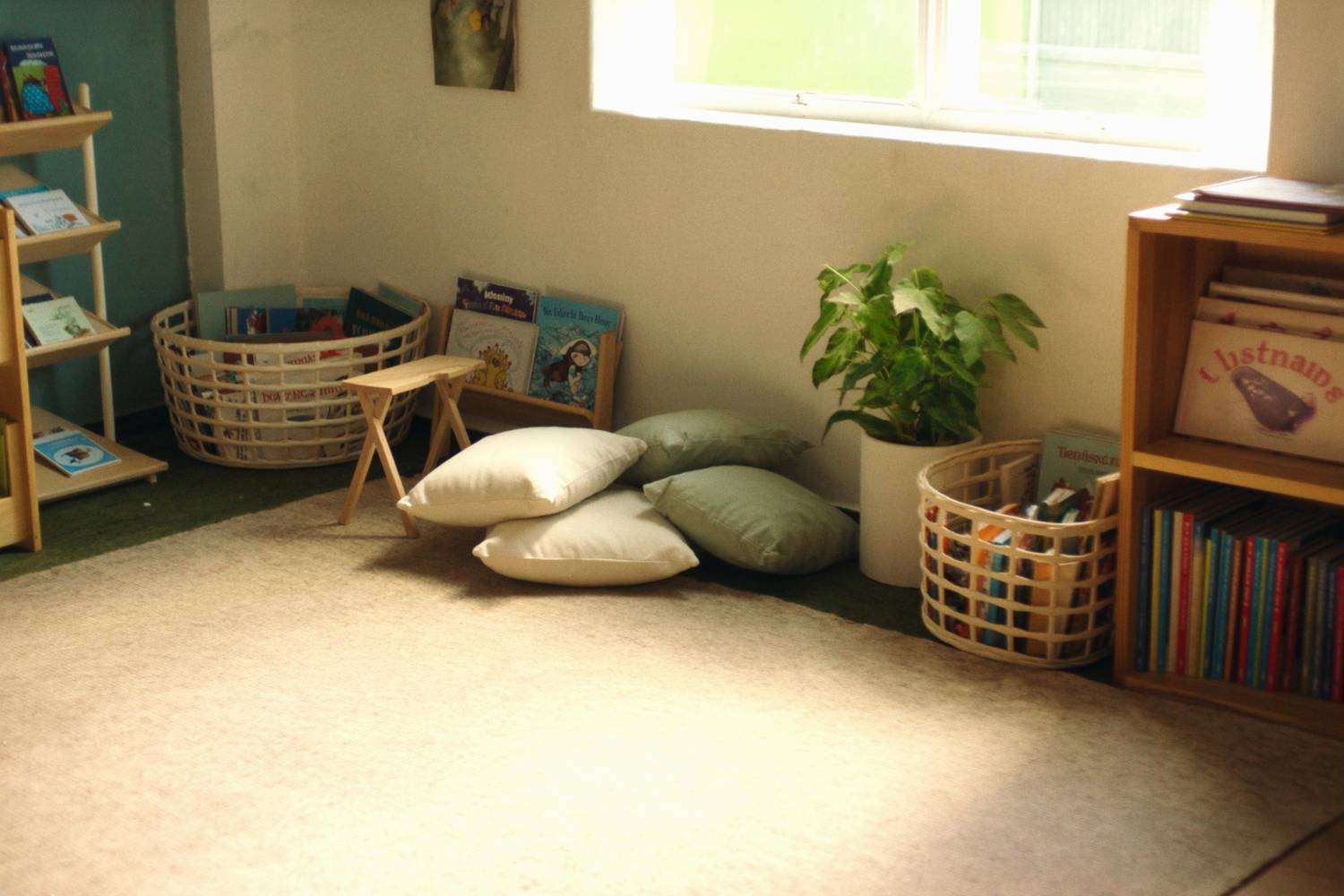
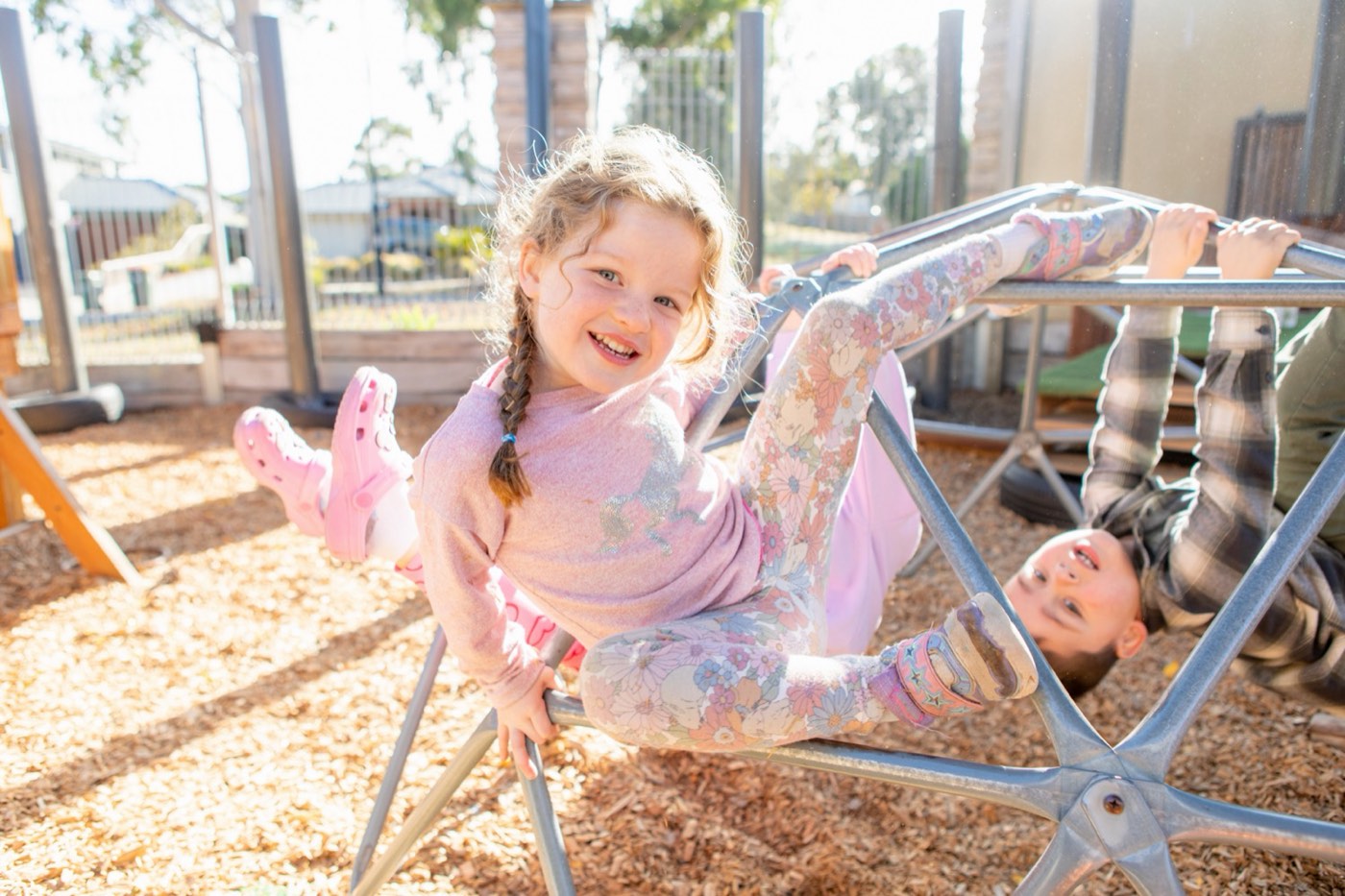
True texture over performance. The block tower that took all morning, the educator's handwritten sign for the tomato seedlings, wet boots lined up after puddle play. These read as life; graphics with inspirational quotes read as marketing, and get scrolled past by exactly the audience that matters. The feed is also where your consent discipline shows in public: a feed that clearly protects children's dignity while still feeling warm is making a safety argument to every parent who checks.
People over premises. The occasional educator moment, a birthday, a qualification finished, a five-years-here post, does double duty: it humanises the centre for families and quietly runs employer-brand work for future hires, who check the same feed.
And recency over volume. The archive is nearly irrelevant; the last fortnight is everything. This is why the sustainable cadence wins: the centre posting twice weekly in July, August and September beats the one that posted daily in January and hasn't since.
The one-hour week
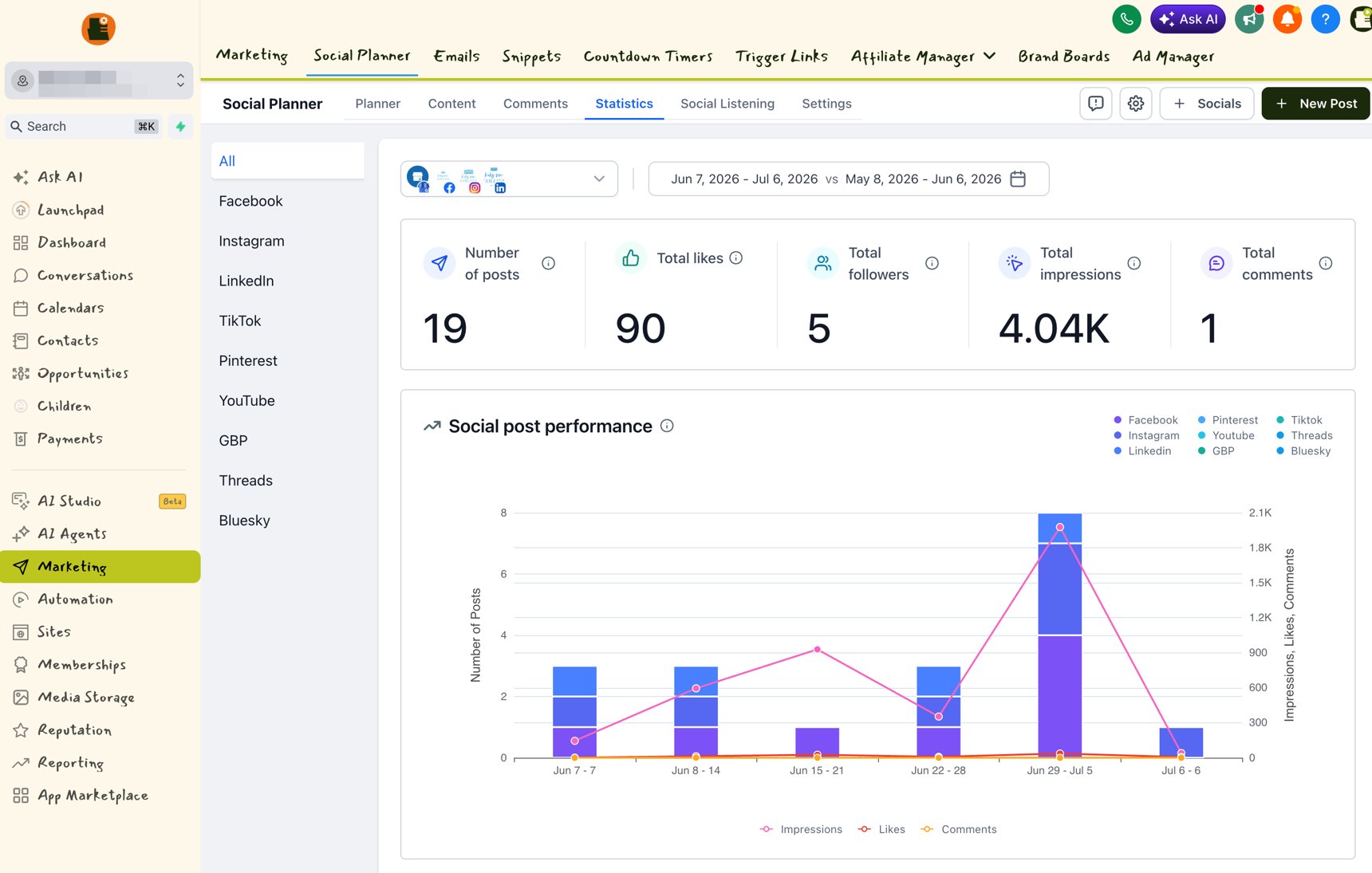
A workable rhythm that survives real centre life: photos gathered as they happen during the week (by whoever is present, within the consent list, into one shared place), one sitting to choose and caption honestly, posts scheduled, comments and messages checked at the same sitting. The message check is non-negotiable and routinely missed: families increasingly enquire through social messengers, and an unanswered channel is a leak like any other, ideally piped into the same system as every other enquiry so it can't sit unseen.
What doesn't belong in the hour: agonising over aesthetics, chasing trends built for influencers, and any content that exists because "we should post something". If there's nothing true to show this week, the tomato seedlings will have grown by next week.
Where professional content fits
The weekly rhythm runs on phone photos, and that's correct, immediacy is the point. Where professional material earns its slot is the periodic anchor: the walkthrough video pinned to the profile, a seasonal photo-library refresh that upgrades the visual floor of everything you post, educator introduction films released as an occasional series. A day of professional capture each year, structured well, keeps the feed's foundation strong while the weekly hour supplies the pulse, that's precisely how our social content service pairs with centres' own posting.
Keeping the job small
The discipline with social is refusing its inflation. It will happily consume ten hours a week and a committee; the enrolment return past the pulse job is close to nil, and the hours have better homes upstream. One owner, one hour, one honest feed. If your social currently fails the twenty-second stranger test, or eats time that reviews and follow-up need more, the free Enrolment Story Audit will show you where it sits among your real priorities, in 48 hours, no call.