
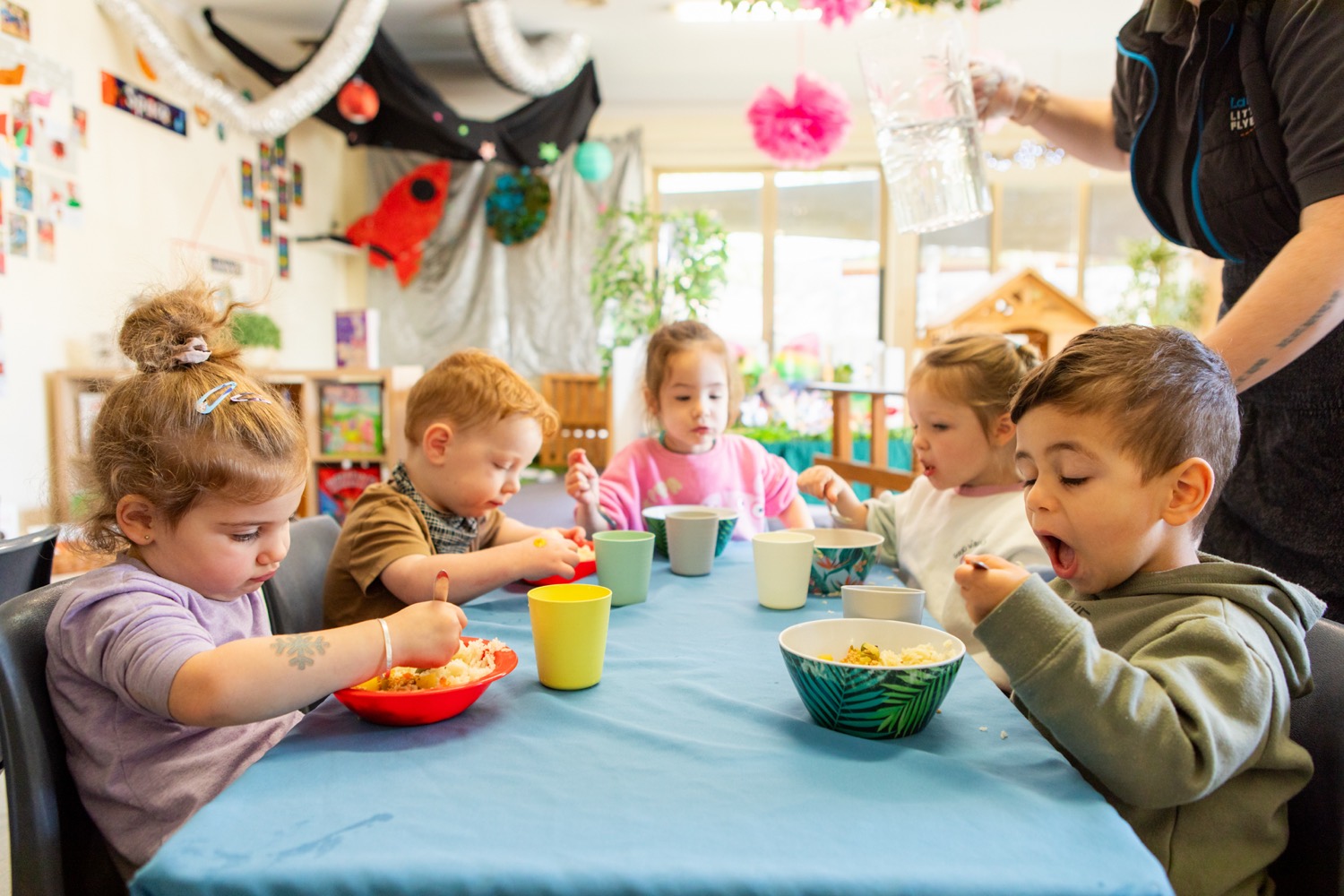
The reliable way to increase childcare enrolment is to build four assets that keep persuading families when you aren't promoting: a deep and recent review base, a small video core, real search presence, and a referral culture. Campaigns fill this term's places. These fill next year's, and the year after.
Ask most people how to grow and you'll get a campaign: run some ads, post more often, hold an open day. Campaigns are fine. They're also rented growth, attention that stops the moment the spend does, which is why centres that live on them find themselves buying the same families again every term. The alternative is owned growth, and the reason the distinction matters is that assets compound and campaigns don't. Almost every centre over-invests in the rented kind.
The four assets that compound
A review base with depth and recency. Every searching family reads reviews before anything else, and most centres' pages are thin enough that a systematic asking habit changes the picture within months. Run it as a system and it compounds indefinitely: each month's reviews persuade next year's families.
A video core. A walkthrough, a few educator introductions, a parent story. Built once in about a day of filming, this set works in every channel simultaneously: the website, follow-up sequences, tour confirmations, social, ads if you run them. It's the asset that makes automation worth automating, and the one that most changes how families arrive at tours.
Search presence. The Google Business Profile, the website that answers real questions, the visibility that puts you on the longlist at 9pm. Slowest to build, most durable once built, and increasingly the front door as families ask search engines and AI assistants who's good near them.
Referral culture. Your current families are your most persuasive channel and the cheapest. The asset isn't a scheme; it's a centre worth recommending plus the small habits that make recommending effortless: content worth sharing, moments worth inviting someone to, and a genuine ask at the right time.
The system that converts what the assets attract
Assets bring families to the door; the funnel decides how many get through it. Sustainable growth needs the conversion machinery running underneath: fast first responses, self-serve tour booking, follow-up that persists as long as families deliberate, and a waitlist worked as a pipeline. Growth programs fail most often not because the marketing underperformed but because the operational follow-through leaked what the marketing caught.
The proportions
A useful budget frame for a centre serious about growth: most of the effort goes to assets and the funnel, a steady minority to presence (the ongoing rhythm of posts, updates, community moments that keep you visible), and paid campaigns held in reserve as the targeted tool for specific gaps. Most centres run this inverted, heavy on boosted posts and bursts of ads, light on the assets that would have made those ads convert. Inverting it back is usually the whole strategy.
What this looks like across a year
Quarter one: build the video core, start the review system, tighten the funnel. Quarter two: the website says what the video shows, the pipeline rhythm is running, referral moments get deliberate. From there it's maintenance and compounding: the review count climbs, search presence firms, each intake season arrives with a warmer pipeline than the last. Centres that run this arc report the same shift: enrolment stops being a scramble and becomes a queue you manage, which is a different business to run.
EEVA's complete partnership packages this exact arc, the photos and video and the follow-up that converts them, at $590 per week plus GST. If you'd rather see the gap analysis before any conversation, start with the free marketing review and we'll show you which asset is missing and which leak is largest.