A new centre's marketing problem is unlike an established centre's in one structural way: there is no history to lean on. No reviews, no alumni families, no name recognition at the school gate, and no enquiry flow arriving out of habit. Meanwhile the cost base, lease, fit-out finance, opening roster, arrives whole. The launch playbook is about closing that credibility gap deliberately instead of waiting for time to close it slowly.
Six to four months out: exist before you open
The moment the opening date is real, become findable. A simple website with the essentials done properly: location, rooms and ages, opening date, the team as it forms, and, critically, a register-your-interest form that actually captures families into a pipeline rather than an inbox. Stand up the Google Business Profile as opening-soon. Start the local drumbeat: the fence banner with a QR code that works, the community groups, the pram traffic outside your own front fence.
The asset that punches hardest in this window is unexpected: the story of the building becoming a centre. Fit-out progress, the philosophy taking shape, the director introducing themselves on camera against the half-finished rooms. Families considering an unopened centre are buying people and intent, show both.
Four to two months out: build the pipeline you'll open with
Interest registered is not a family won. The pre-open pipeline needs working like any other: a warm welcome sequence for every registration, updates as milestones land (licensing, room reveals, educator introductions as hires are made), and, as soon as the building allows, pre-opening tours. Hard-hat tours convert remarkably well; walking a parent through their child's future room while it's being painted creates founding-family feeling nothing post-launch replicates.
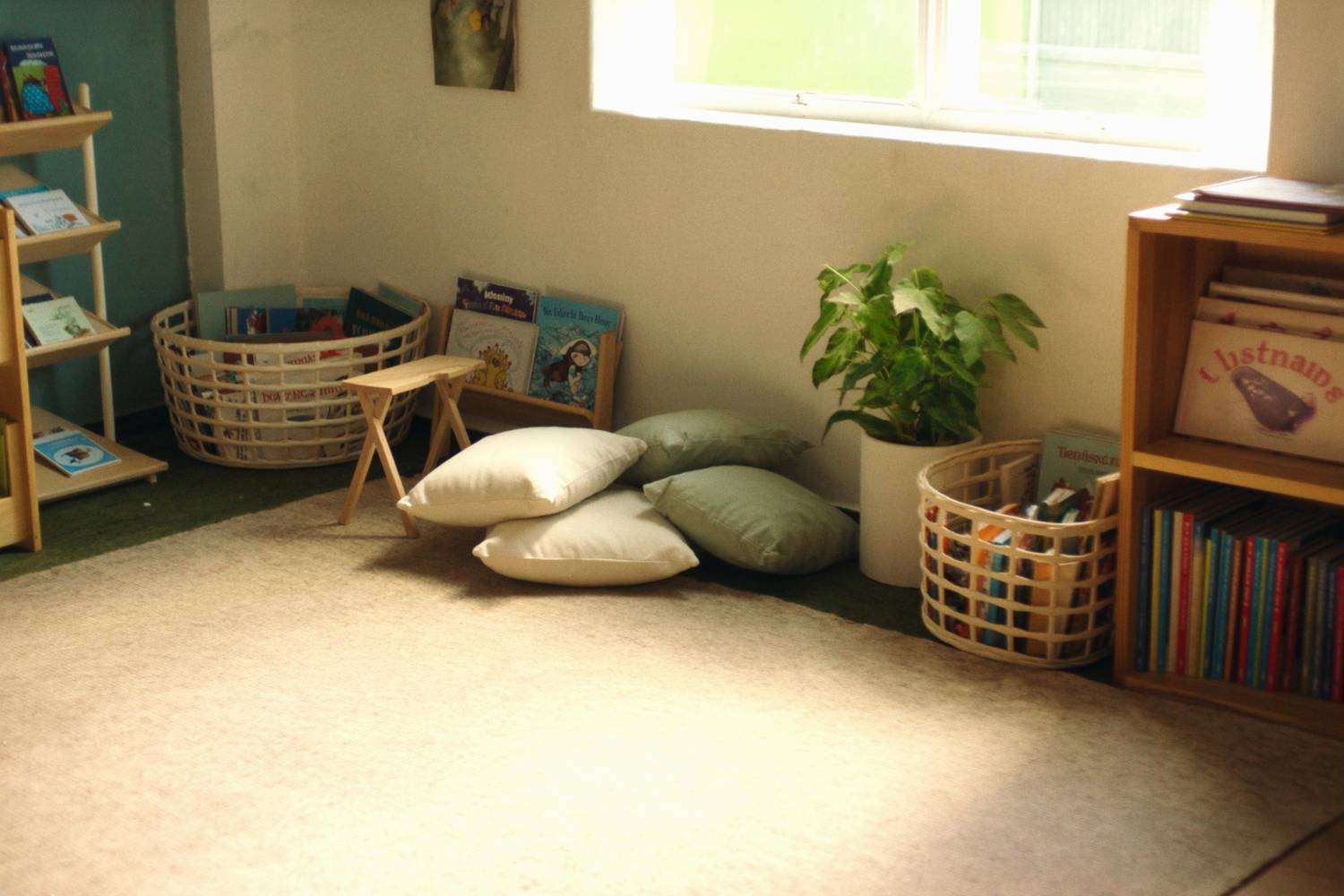
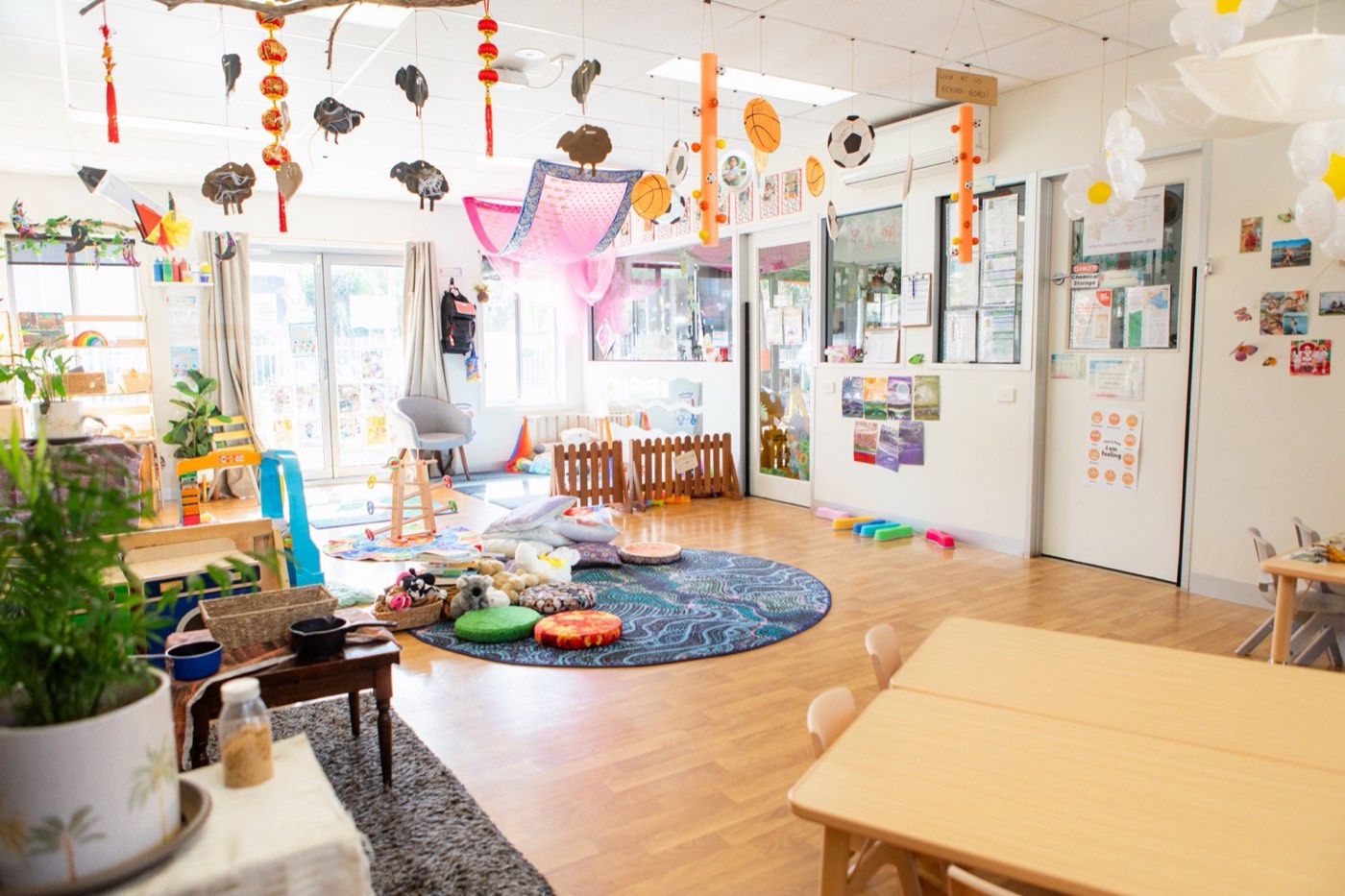
This is also the window for the media build: photograph and film the finished rooms before opening, empty, beautiful, honest, so your launch presence has real imagery instead of renders and stock. An educator-introduction set filmed as the team assembles gives enquiring families the thing they most doubt in a new centre: known humans.
The final stretch: open day and first offers
An open day two to four weeks pre-launch converts the pipeline in one warm push: rooms staged, educators present and introduced by name, enrolment paperwork ready on the spot, a founding-families frame that makes early commitment feel like joining something rather than gambling on it. Follow up every attendee within a day, place-offer in hand. From here your response speed is the whole game; a launch generates a spike of enquiries precisely when the team is busiest, which is the argument for having the automated layer running before the spike, not after.
After opening: convert experience into proof
The first term's marketing priority isn't marketing; it's the founding families' experience, because they are the review base, the word of mouth and the testimonial material for everything after. Systematise the proof-gathering from week one: the review rhythm live from the first settled drop-offs, consented photography of real life replacing the empty-room set, the first parent stories filmed once trust has been earned. A centre that opens well and captures the evidence typically finds the second cohort easier to win than the first by a wide margin, that's the compounding kicking in.
The timing trap worth respecting
Launches interact hard with intake seasonality: a centre opening in February has just missed the year's biggest enrolment wave and faces a long swim to the next one. If the build schedule allows any influence at all, aim the opening at the season, and if it doesn't, plan the first year's finances knowing the wave you'll catch and the one you won't.
We take new centres through this whole arc, the pre-open story, the media build, the pipeline machinery, as a launch engagement, and the earlier the conversation starts, the more of the curve there is to shave. If opening is on your horizon, the free Enrolment Story Audit works pre-launch too: we'll assess what your future families will find and hand you the gap list.