An open day works when the right families hear about it early, find it easy to come, and hear from you again afterwards. Most of the effort sits before and after the day, not on it. This is the plan we'd run for a centre, set out week by week so you can run it yourself.
Week 1: plan the day and take your photos
Pick a weekend date six weeks out and hold it. Decide which room you most want to fill, because that shapes who you invite and which photos you use.
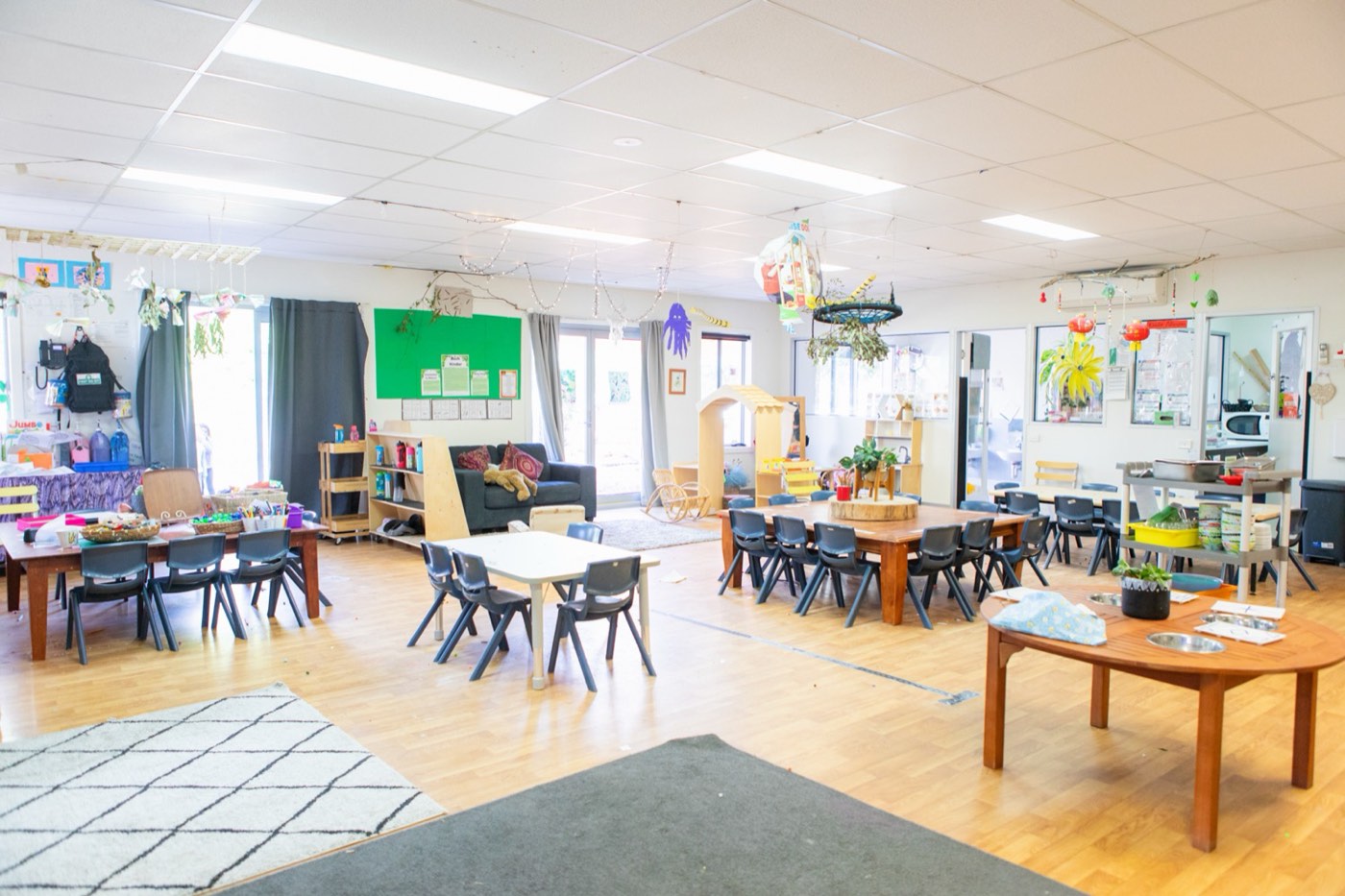
Take photos and short clips for the ads now, of real rooms and real educators. Families respond to seeing who will look after their child, and stock images don't show them who it is. If children appear, use only those whose families have given written consent for marketing, and check your centre's own consent records first. Our photography consent guide covers what that consent should say.
Weeks 2 and 3: open registrations and go local
Set up a simple registration page where families can book in. It tells you how many to expect and, if you use a separate link for each place you promote it, where they heard about you.
Then get offline. Posters with a QR code in the shops, clinics, libraries and community boards near you reach parents the ads can miss, and they're cheap. Ask your current families to share the invitation; a friend's word counts for a lot.
Weeks 4 to 6: advertise to local families
Three weeks of local Facebook and Instagram ads, running right up to the day, is a workable run for most centres. Set the area to the distance families will actually drive. Make the invitation easy to say yes to: a look around, a barbecue, the children looked after. "Enrol now" only speaks to families already comparing centres; an open day invitation speaks to everyone else.
Post the invitation to local parenting and community pages too, and check the registrations each week so you can move the ads towards whatever is working.
On the day: open every room and record who comes
Open every room and roster enough staff that tours and supervision are two jobs, not one person doing both. Put food on. Run it as a window, not a session, so families arrive when it suits them.
Take each family's details at the door, with their permission to stay in touch. A tablet or a clipboard both work. Families who walk in unrecorded can't be followed up, and you won't know who they were. If you photograph or film on the day, get written photo consent from parents at sign-in, and don't film a child without it.
The fortnight after: follow up every family
Within a few days, every family who agreed to hear from you should get a thank you, an offer of a proper tour, and something to remember you by. A short film of the centre works well because it lets them show the other parent what they saw.
Then keep the list. Families who weren't ready this intake may be ready for the next one, and your next open day starts with them.
If you'd rather not run it yourself
EEVA's open day launch does all of the above for you: the photos and ads, the registration page and posters, the sign-in at the door, filming on the day and the follow-up afterwards. It's $4,950 plus GST. Ad spend is separate, from $1,000 across the three weeks, paid straight to Meta. You open the rooms and put the barbecue on.