
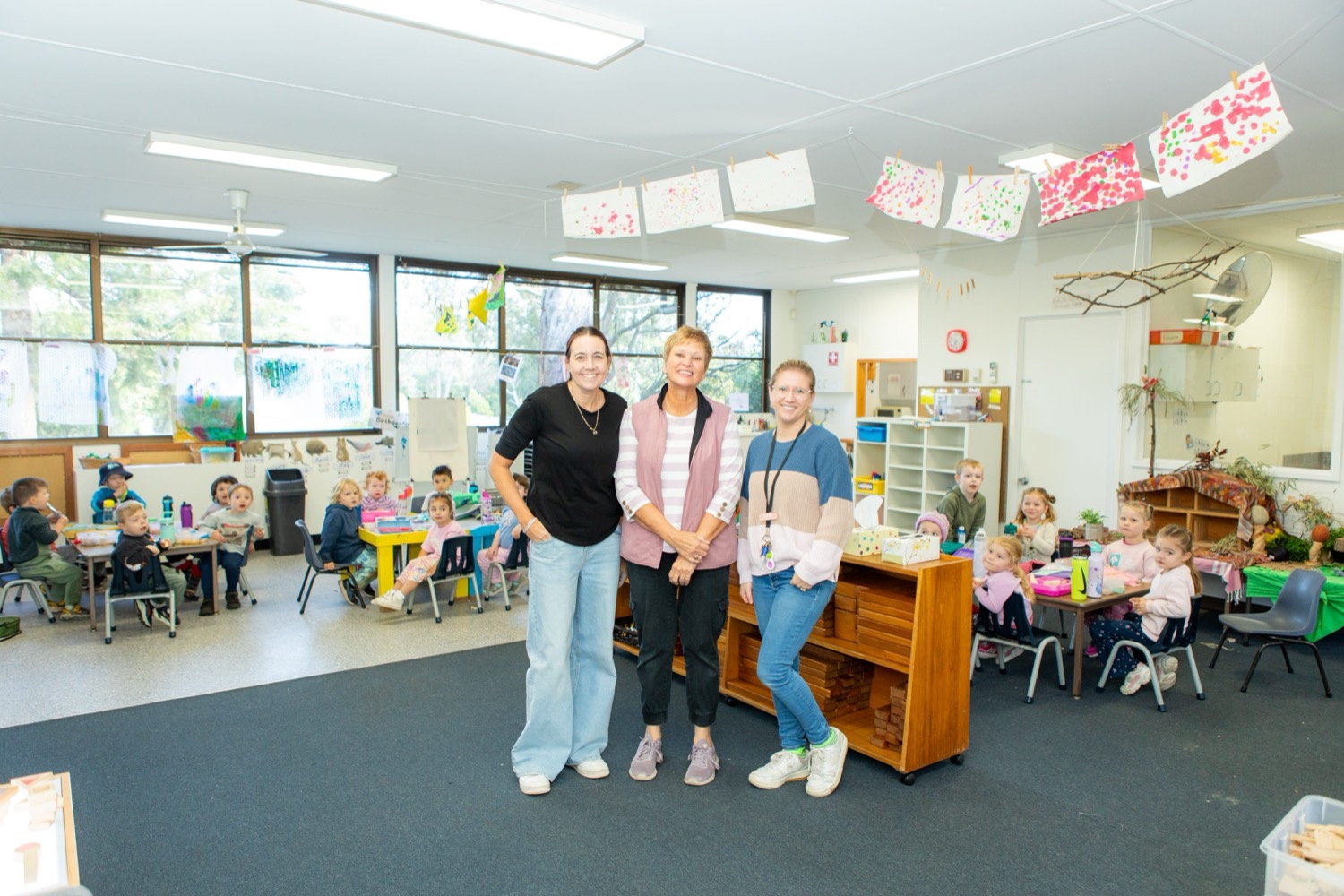
The inner ring, from Richmond and Kew through Brunswick, Coburg and Preston to Essendon, Elsternwick and the bayside fringe, is Melbourne childcare's old money. Services here measure their history in decades, kindergartens carry federation-era names, and the buildings themselves, converted houses, purpose-built centres from three eras, tell you this market finished its land grab long ago. We track 231 services across it.
The defining statistic
56% of assessed inner-Melbourne services hold Exceeding NQS. Statewide it's 37%; in the northern corridor, 20%. Kew alone runs at over three quarters, and suburbs like Hawthorn sit higher still. The average rating holds at 4.68 stars across 3,721 reviews, with volumes per service generally lower than the growth corridors, quieter suburbs, longer-settled families, fewer new arrivals writing first-impression reviews.
Around the flagship, Preston makes an interesting counterpoint: a big inner-north market in our tracking whose Exceeding share sits far below its neighbours, one of the inner ring's few genuine credential openings.
Competing where credentials cancel
When more than half the field holds the top rating, the rating stops discriminating, families in Kew assume Exceeding the way they assume a fence. This produces the inner ring's distinctive contest: differentiation happens above the credential line. What separates centres here is the thing no register captures, the specific texture of the place. The educator who's led the toddler room for eleven years. The bush-kinder program with its own muddy folklore. The community of families who keep turning up to working bees a decade after their children left.
Which is why the inner ring is, quietly, Melbourne's most story-hungry childcare market. Every centre has the badge; almost none shows its actual life well. Websites here are as generic as anywhere, educator films are nearly as rare, and the centre that puts its real people and real texture on screen differentiates in the only dimension left open. The credentials arms race is over; the evidence race barely started.
The incumbent's trap
Inner-ring centres with full rooms and waiting lists earn their position, and then, often, stop tending it. Low turnover means the review page ages; full rooms mean the website hasn't been touched since the last vacancy scare; the reputation lives in the school-gate network, unverifiable by newcomers. The market's stability hides the exposure: when a family-demographic shift, a leadership change or a rare new competitor does arrive, the centre discovers its public presence is a decade older than its practice. Presence maintained while full costs little; presence rebuilt under pressure costs multiples.
Playing the inner ring
Lead with people and program, not badges; explain the badge in one line for the minority who don't know the scale (the honest playbook) and spend the rest of your presence on what's yours alone. Keep the review flow alive even when full, substance over volume, replies always. And treat story capture as maintenance: the eleven-year educator deserves better than being undocumented.
Where your centre sits in this market, against the two or three institutions a local family would weigh you against, is measurable: the free Enrolment Story Audit runs the comparison for any inner-ring centre in 48 hours, no call. In a market where everyone holds the same badge, the audit mostly finds the same thing: the difference was always the story, and it's sitting there unfilmed.