Every Victorian early childhood service works under the Child Safe Standards, and most directors know them through the practice lens: recruitment, supervision, reporting, culture. The marketing lens gets less attention, which is odd when you consider what marketing is. It's the place where your centre represents children to the widest possible audience, with the least direct oversight.
This guide covers where the Standards touch promotion, and how to meet them in a way that strengthens your enrolment story rather than constraining it. It's practical guidance from a production company that works only in early education, not legal advice; your policies and your regulatory obligations come first.
Where the Standards reach into marketing
Three threads in the Standards matter most for promotional work.
Children's dignity and privacy. If children appear in your marketing, they're being represented in public, permanently, without much say of their own. The Standards ask you to weigh their interests above your promotional ones. A charming photo that a child would be embarrassed by at age twelve fails that test regardless of what the consent form says.
Families as genuine participants. Consent is the mechanism, but the spirit is participation: families should understand and genuinely agree to how their children are represented, not discover it. That standard is met by clear forms, real conversations and honoured withdrawals, and undermined by a blanket clause in the enrolment pack.
Safe environments, including online. The Standards treat online environments as places children need protecting, and your public channels are online environments you run. That covers obvious things like never pairing full names with faces, and less obvious ones like what your public posts reveal about routines, locations and which children attend.
The practical translation
Meeting all this doesn't require a compliance team. It requires a handful of habits held consistently.
An imagery policy that covers marketing explicitly. Newsletters, observation apps, websites, paid ads and social channels are different exposure levels. Your policy should treat them differently, and your consent form should reflect those differences instead of bundling them.
Consent that names the use. The test: could a parent accurately describe where their child's image might appear, based only on what they signed? If not, the form needs rewriting before it needs enforcing.
A publishing gate. One senior person reviews everything before it goes public, checking each image against two questions: is every child in this presented with dignity, and can I trace this image to current consent? Ten minutes a week, and it catches nearly everything.
An answer for "no". Some families will decline all visibility, sometimes for safety reasons they won't explain and shouldn't have to. Your system has to make their "no" effortless and absolute: a current non-participation list that everyone taking photos actually checks.
Compliance as story, not fine print
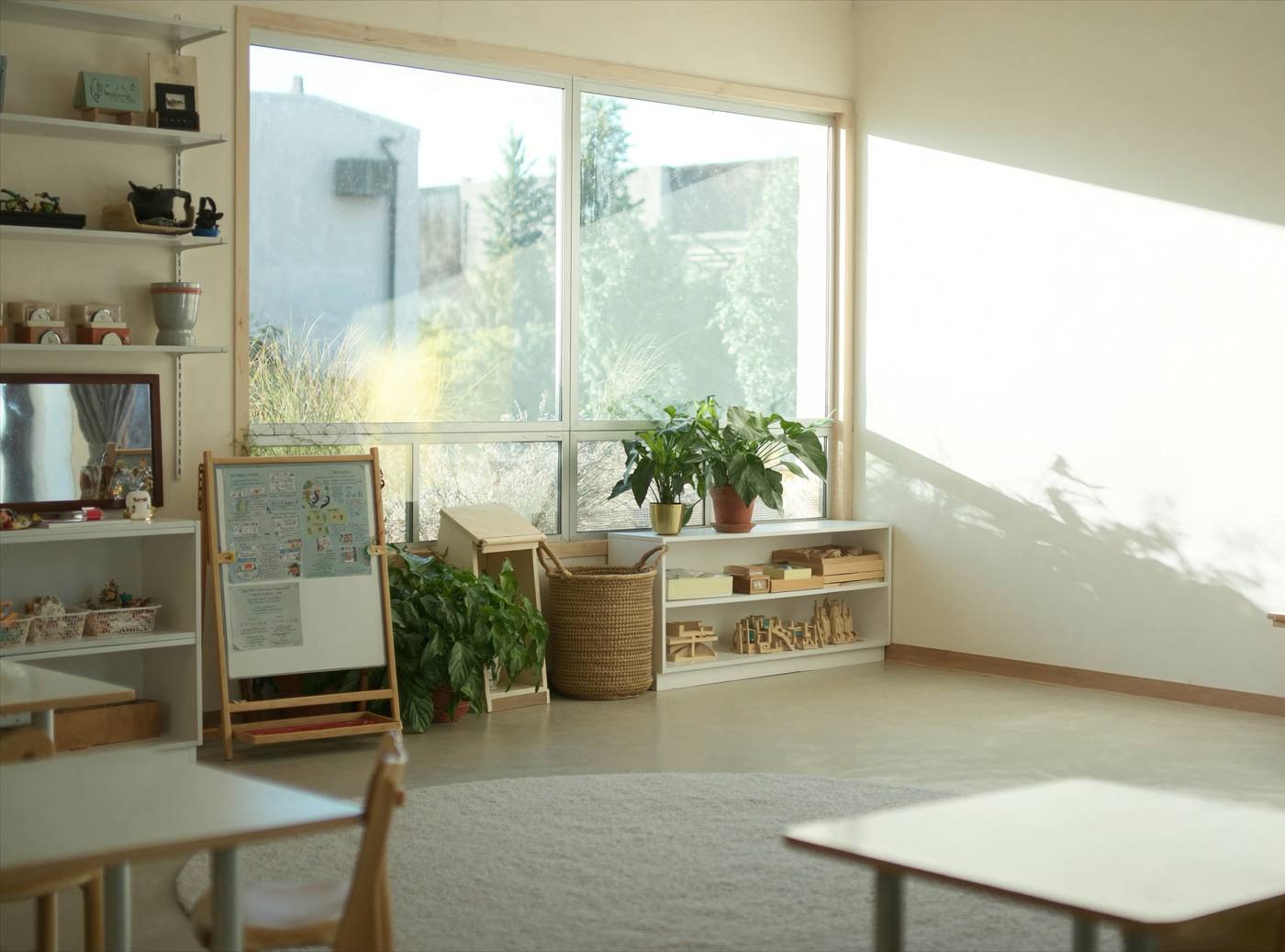
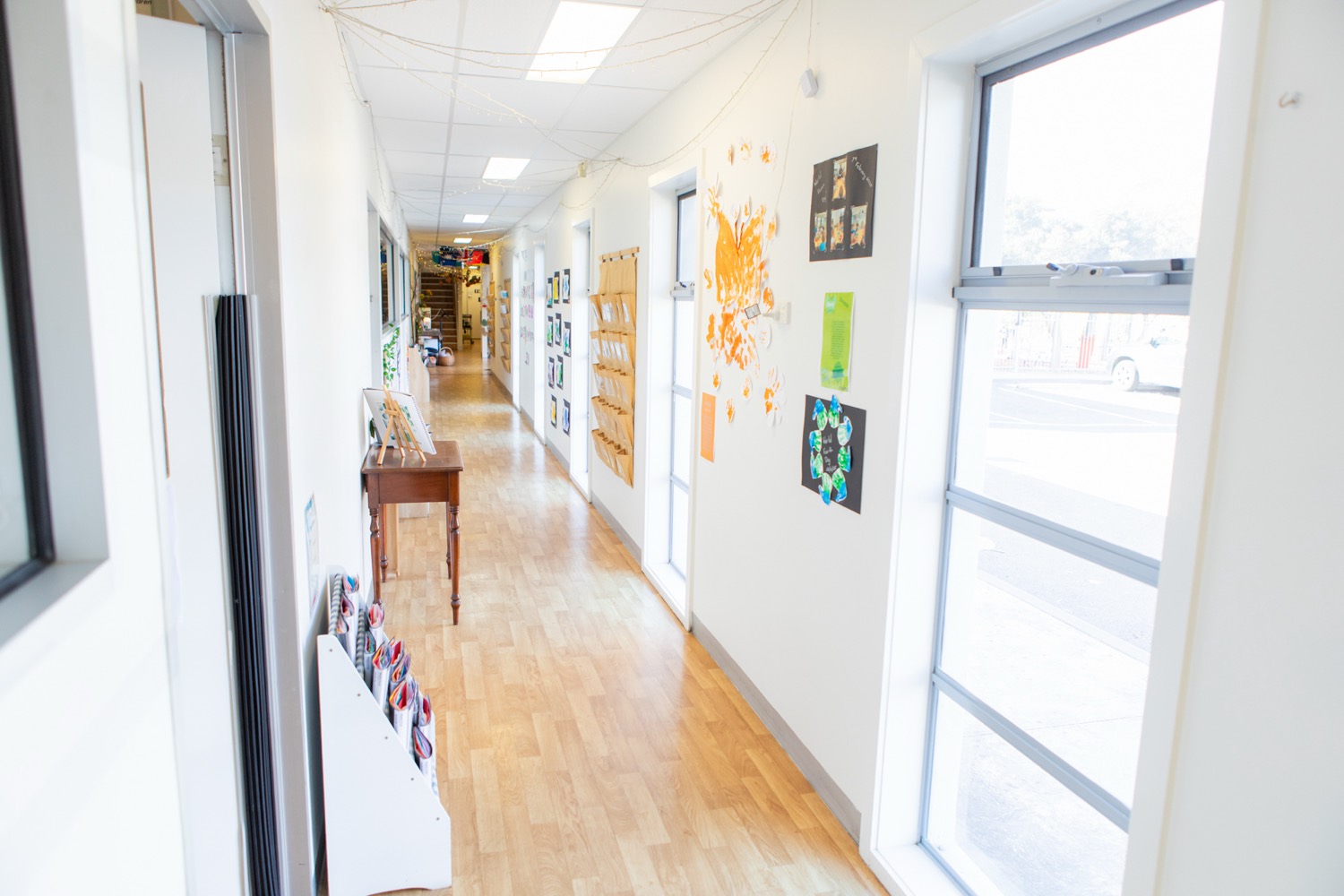
What centres miss is that this discipline is marketable. Parents choosing between centres are trying to judge exactly the quality your image-handling demonstrates. A short, warm section on your website explaining how you handle children's images, why some of your content shows environments and educators rather than children's faces, and how families stay in control of their child's visibility, reads as confidence. It tells a parent that your carefulness extends to places they can't see.
The centres that do this well don't bury it in a policy PDF. They say it where parents are looking, in a sentence or two, in human language, and let the consistency of their public channels prove it.
A note on who does your filming
The Standards also reach anyone you bring in to create content. An external photographer or video crew inside your centre is a child-safety consideration like any other contractor: Working with Children Checks, supervision, and a briefing on your consent position before they arrive. We've published our full checklist for this in a separate guide, and it's the same one EEVA works to on every shoot.
If you'd like an outside read on how your current public presence handles all of the above, our free Enrolment Story Audit looks at your website, imagery and reviews the way a careful parent does, and comes back to you within 48 hours.